how were charter colonies different from the other colonies

2a. The Colonial Experience
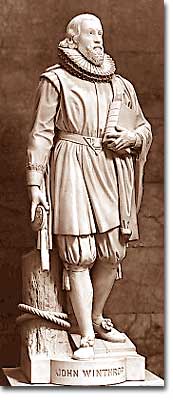
John Winthrop was the regulator of the Massachusetts Bay Colony, one of the eight colonies governed past royal lease in the colonial catamenia.
They created and nurtured them. Like children, the American colonies grew and flourished under British supervision. Care many adolescents, the colonies rebelled against their parent country by declaring Independence. But the American democratic try out did not begin in 1776. The colonies had been practicing limited forms of somebody-government since the early 1600s.
The great expanse of the Atlantic Ocean Ocean created a safe distance for American colonists to develop skills to regularise themselves. Despite its efforts to master American craft, England could not possibly manage the stallion American coastline. Compound merchants soon learned to operate outside Island law. At length, those WHO escaped religious persecution in England demanded the freedom to worship according to their faiths.
Colonial Governments
Each of the 13 colonies had a charter, or cursive agreement 'tween the colony and the king of England OR Parliament. Charters of royal colonies provided for direct rule by the king. A compound legislature was elected by property holding males. But governors were appointed by the king and had almost staring authority — on paper. The legislatures controlled the salary of the regulator and often misused this determine to keep the governors in line with colonial wishes. The first compound legislature was the Virginia House of Burgesses, established in 1619.
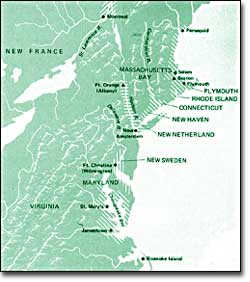
The colonies along the eastern coast of North America were formed under different types of charter, but most developed representative democratic governments to rule their territories.
When the first Pilgrims voyaged to the New Worl, a bizarre twist of fate created a spirit of self-government. These Pilgrims of the Mayflower were conjugated for Virginia in 1620, only they got lost and instead landed at Plymouth in present-day Massachusetts. Since Plymouth did non lie inside the boundaries of the Virginia Colony, the Pilgrims had nobelium prescribed charter to regularise them. So they drafted the Mayflower Compact, which in essence stated that they would rule themselves. Although Old Colony eventually became a royal colony, the Pilgrims at Plymouth set a powerful precedent of devising their have rules that later reflected itself in the townsfolk meetings that were held across colonial New England.

Business deal and Taxation
Complex economies operated under mercantilism, a system based on the belief that colonies existed systematic to increase the mother rural area's wealth. England tried to regulate swap, and forbid colonies from trading with other Continent countries. England also retained the rightish to taxation the colonies. Some trade and revenue were difficult for England to control, and so an unliterary agreement emerged. England orderly trade but allowed colonists the right to raise their own taxes. Smugglers soon exploited the English inability to ward all port wine by secretly trading against Parliament's wishes.
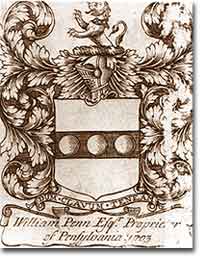
A copyrighted charter allowed the governor of the colony to rule with great power over his lands. In William Pennsylvania's Pennsylvania, that power was used to establish a land of religious tolerance.
This untoughened correspondence was put to exam by the Daniel Chester French and Indian War. The war was overpriced, and from the Island viewpoint, colonists should help pay for it, especially considering that England believed it was protecting the colonists from European nation and Native American threats. The new taxes levied past the Crown however horrified the colonists. British armed service measures to arrest smugglers advance incited American shippers. These actions served as stepping stones to the Rotation.
Religious Exemption
Churchlike freedom served as a major motivation for Europeans to guess to the American colonies. Puritans and Pilgrims in Massachuset, Quakers in Pennsylvania, and Catholics in Maryland represented the growing churchly diversity in the colonies. Rhode Island was founded as a colony of religious freedom in reaction to eager Puritans. As a result, many different faiths coexisted in the colonies. This variety required an press on freedom of religion since the earliest days of British settlement.
Soh the colonial experience was one and only of absorbing British models of government, the economy, and religion. Over the flow of about 150 years, American colonists practiced these rudimentary forms of ego-government that eventually led to their conclusion to revolt against British rule. The democratic experimentation of American self-reign was therefore non a fast change constituted by the Declaration of Independency. By 1776, Americans had plenty of practice.

If you like our content, delight share it on social media!


how were charter colonies different from the other colonies
Source: https://www.ushistory.org/gov/2a.asp

Posting Komentar untuk "how were charter colonies different from the other colonies"